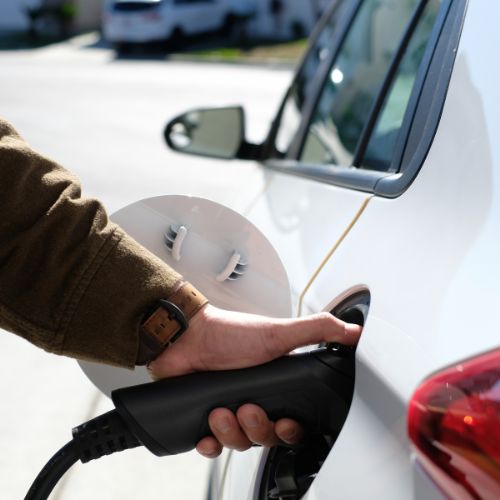
Having an EV charger installed at home can make owning an electric vehicle significantly more convenient. However, choosing a charger is only part of the decision.
The quality of the survey, electrical assessment and installation is just as important as the charging unit itself. A properly planned installation should suit your vehicle, property, electrical supply and future needs—not simply provide the cheapest charger in the quickest possible time. Before agreeing to any work, here is what you need to know, what you should avoid and how to recognise an installer who may be cutting corners.
Do: Arrange a Proper Assessment First
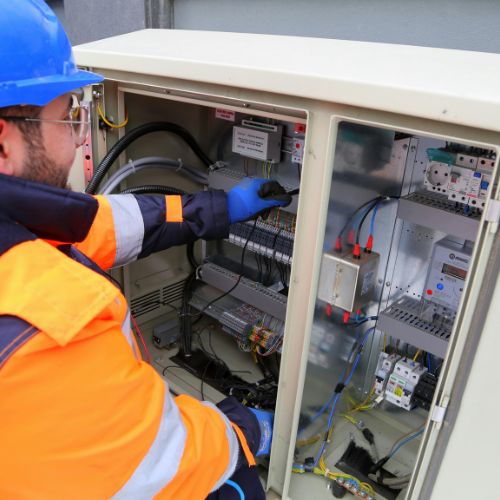
A professional installer should assess your property before confirming exactly what is required.
This assessment should consider:
- Your existing electrical supply
- The age and condition of your consumer unit
- Earthing and protective arrangements
- The distance between the supply and the charger
- The proposed cable route
- Where your vehicle is normally parked
- Your vehicle’s charging capabilities
- Other high-demand electrical equipment
- Your present and future charging needs
Be cautious if someone recommends a particular charger and gives a final price without gathering enough information about your property.
Don’t: Choose Based on Price Alone
The lowest quotation is not automatically the best value.
A dramatically lower price may exclude important elements such as electrical testing, suitable protective equipment, additional cabling, installation documentation or remedial work.
Compare quotations carefully and ask exactly what is included.
A professional quotation should clearly explain:
- The charger being supplied
- The installation work included
- The proposed charger location
- Cable routing
- Any additional electrical work
- Testing and commissioning
- Documentation and warranties
A vague, one-line price makes it difficult to understand what you are actually paying for.
Do: Ask Why a Particular Charger Is Being Recommended
There is no single charger that is right for every home.
The appropriate option will depend on your vehicle, electrical supply, parking arrangements and how you intend to charge.
Ask the installer about:
- Charging capacity
- Tethered or untethered models
- Cable length
- App controls
- Charging schedules
- Off-peak tariff compatibility
- Load-management features
- Solar compatibility
- Product warranties
- Technical support
A trustworthy installer should explain why their recommendation suits your circumstances rather than simply promoting the model they prefer to sell.
Don’t: Assume the Most Powerful Charger Is Automatically Best
A charger’s advertised output does not necessarily reflect the charging speed you will receive.
Charging speed can be affected by:
- The vehicle’s onboard charging capability
- The property’s electrical supply
- Available electrical capacity
- Other equipment operating in the home
- The charger’s configuration
A responsible installer should assess these factors before recommending a system.
Do: Discuss Smart Charging Technology
Modern EV chargers can offer much more than simply supplying electricity to a vehicle.
Depending on the equipment selected, smart features may allow you to:
- Schedule charging during off-peak periods
- Monitor electricity consumption
- View charging history
- Control charging through an app
- Manage demand alongside other appliances
- Use available solar generation
- Prevent the property’s electrical demand from exceeding an appropriate level
Technology changes quickly. Ask whether the recommended system uses current features and whether software support and updates are available.
Don’t: Ignore the Existing Electrical Installation
An EV charger places a sustained demand on the property’s electrical system. The condition and suitability of that system must therefore be considered.
A consumer unit does not automatically need replacing simply because an EV charger is being fitted. However, further work may be necessary if the existing installation is unsuitable or testing identifies a problem.
The installer should explain any recommended electrical work clearly and show why it is required.
Installer Red Flags to Look Out For
Proceed cautiously if an installer:
- Provides a final quotation without asking about the property
- Does not assess the existing electrical installation
- Cannot clearly explain their qualifications or experience
- Recommends equipment without discussing your vehicle or usage
- Avoids questions about protective measures
- Cannot explain how the installation will be tested
- Is unclear about documentation or warranties
- Pressures you into making an immediate decision
- Requests cash payment without proper paperwork
- Offers a price considerably below other quotations without explaining why
- Suggests running charging cables across public paths without addressing safety or permission
- Cannot explain how the charger manages the property’s electrical demand
One warning sign may simply require clarification. Several warning signs together should make you reconsider the installer.
Questions to Ask Before Accepting a Quote
Ask every potential installer:
- What assessment will you complete before installation?
- Is my existing electrical supply suitable?
- Why are you recommending this particular charger?
- What exactly is included in the quotation?
- Could additional costs arise after work begins?
- What electrical protection will be provided?
- How will the charger manage demand within my property?
- Will the work be tested and documented?
- What product and workmanship warranties apply?
- Who should I contact if there is a problem afterwards?
Clear questions help you compare installers based on quality and suitability rather than price alone.
The MSD Electrical Approach
At MSD Electrical, we believe EV charging should be planned around the property and the customer—not treated as a one-size-fits-all installation.
We consider the existing electrical system, how the vehicle will be used and which technology will provide the most suitable long-term solution. Our recommendations are informed by current installation requirements, manufacturer guidance and the latest available charging technology.
Our aim is to provide:
- A properly assessed installation
- Clear, honest recommendations
- Current EV charging technology
- Careful attention to electrical safety
- Transparent quotations
- Appropriate testing and documentation
- Support from initial enquiry through to completion
This wording positions MSD strongly without making unverifiable claims about being “the best” or attacking competitors.
Planning a Home EV Charger Installation?
The charger itself is only one part of a successful installation. The assessment, system design, electrical work and installer’s knowledge all matter. Taking time to ask the right questions can help you avoid unsuitable equipment, unexpected costs and an installation that does not meet your long-term needs.
Speak to MSD Electrical about a professionally planned home EV charger installation in Bidford upon Avon and the surrounding areas.